When developing custom gummies, many of our customers come to us with a clear product concept and a detailed ingredient list. What they need is not simply a manufacturer that can follow their formula, but a team that understands how different ingredients behave in gummies and can help turn their ideas into practical products.
A formula that looks good on paper does not necessarily work well in gummy form. Ingredient loading, bitterness, solubility, gel structure, color, and flavor all need to be considered, particularly when several active ingredients are combined in a single product.
Recently, we worked with a US customer on the development of DHM gummies for the pre-drinking supplement market, a category often associated with hangover gummies. During our discussions, we identified several areas where the original formulation could be improved, from adjusting the serving size and simplifying the ingredient list to selecting a more suitable flavor.
This project is a good example of how we work with customers at Nutreebio to optimize gummy formulations before moving further into product development.
1. Understanding DHM Gummies and Their Formulation Challenges
Dihydromyricetin, commonly known as DHM, is a naturally occurring flavonoid found in plants such as vine tea. It has attracted interest in antioxidant research and is increasingly used as an ingredient in supplements developed for the pre- and post-drinking wellness market. Many DHM supplements also contain botanical extracts, vitamins, minerals, and other complementary ingredients.
While DHM is available in capsules, tablets, and powders, incorporating it into gummies presents different challenges. Unlike capsules, which can contain ingredients with relatively strong tastes without exposing them directly to the tongue, gummies are chewed, making the natural flavor of each ingredient much more noticeable.
DHM has a strong bitter taste and limited water solubility. Based on our previous formulation experience, increasing its concentration in gummies can make bitterness increasingly difficult to mask, even when additional sweeteners and fruit flavors are used. The physical characteristics of the ingredient also need to be considered when developing a smooth and uniform gummy.
For brands planning to launch DHM gummies, the challenge is therefore not simply deciding how much DHM to include. It is finding a suitable balance between the target ingredient content, gummy size, serving size, and overall eating experience.
2. Reviewing the Customer's Original Gummy Formulation
Our US customer approached us with a relatively comprehensive formula for a gummy product intended for the pre-drinking supplement market. The customer had already selected the main active ingredients and wanted to combine botanical extracts, vitamins, minerals, and electrolytes into one convenient gummy serving.
The original formulation was as follows:
| Active Ingredient | Target Amount per Serving (2 Gummies) |
|---|---|
| Dihydromyricetin (DHM) | 200 mg (150 mg minimum) |
| Prickly Pear Extract | 50 mg |
| Ginger Extract | 50 mg |
| Vitamin B1 | 2.4 mg |
| Folic Acid | 400 mcg |
| Zinc | 8 mg |
| Elemental Magnesium | 100 mg |
| Sodium & Potassium Electrolytes | 150 mg combined |
The customer had a clear idea of how the ingredients would contribute to the overall product concept. DHM and prickly pear extract were selected as the main botanical ingredients, while ginger extract was included for its association with digestive wellness. B vitamins and zinc complemented the nutritional profile, and magnesium and electrolytes were intended to address the hydration-related aspect of the concept.
From a product positioning perspective, the ingredient combination was understandable. However, when we reviewed the formula from a manufacturing perspective, two main challenges became apparent: the relatively high DHM concentration in each gummy and the amount of space occupied by magnesium and electrolyte ingredients.
Rather than proceeding directly to sampling with the original formula, we discussed several possible adjustments with the customer. Our priority was to retain the main product concept while improving its suitability for the gummy format.
3. Adjusting DHM Dosage and Serving Size to Improve Taste
DHM was the most important ingredient in this project, so significantly reducing its content per serving was not our preferred solution. However, the original target of 200 mg in two gummies meant that each gummy would need to contain 100 mg of DHM, which presented a considerable flavor challenge.
Based on our previous sampling and sensory evaluation experience, approximately 30–50 mg of DHM per standard 3 g gummy is a practical starting range for developing a more pleasant-tasting product. Within this range, we have more flexibility to balance the natural bitterness of DHM with the sweetness and fruit flavor of the gummy. Higher amounts may be possible, but they generally require more extensive formulation and flavor development.
Instead of asking the customer to give up their original DHM target, we recommended increasing the serving size from two gummies to four gummies. This would reduce the concentration of DHM in each piece while retaining the desired ingredient content per serving.
Original vs. Revised Serving Size
Using a standard 3 g gummy as the basis for comparison, the proposed adjustment would look like this:
| Specification | Original Concept | Revised Concept |
|---|---|---|
| Gummy Weight | 3 g | 3 g |
| Gummies per Serving | 2 | 4 |
| Total Serving Weight | 6 g | 12 g |
| DHM per Gummy | 100 mg | 50 mg |
| Target DHM per Serving | 200 mg | 200 mg |
| Bitterness per Gummy | More challenging to manage | Easier to balance |
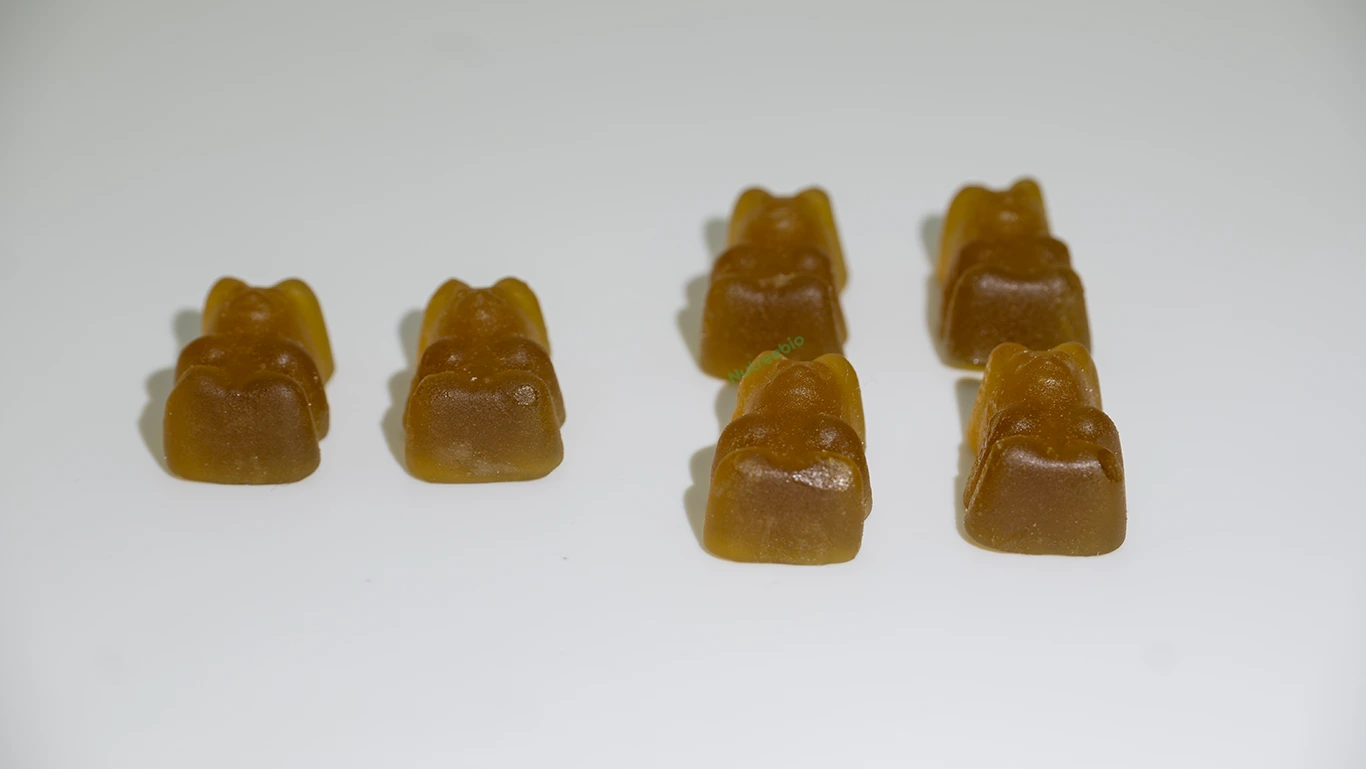
The advantage of this approach is that the target DHM content remains unchanged, while the concentration in each gummy is reduced by half. It also gives the formulation more room for complementary ingredients and the gummy base.
Since the customer's minimum requirement was 150 mg of DHM per serving, a four-gummy serving containing 37.5–50 mg of DHM per piece would provide a useful range for further formulation development.
Serving size is an important but sometimes overlooked consideration in custom gummy manufacturing. Customers often decide on two gummies per serving before evaluating whether their ingredient list can reasonably fit into that amount. In some cases, increasing the serving size is a more practical solution than repeatedly increasing the sweetness or flavor intensity to compensate for excessive active ingredient loading.
Of course, the serving size also needs to suit the brand's packaging, pricing, and intended consumer experience. Four gummies per serving may not be suitable for every product, but in this particular project, it offered a reasonable way to retain the customer's main ingredient target without placing unnecessary pressure on the formulation.
4. Why We Recommended Removing Magnesium and Electrolytes
Another important part of our discussion involved the customer's original requirement for 100 mg of elemental magnesium and a combined 150 mg of sodium and potassium electrolytes per serving.
Although these ingredients were relevant to the customer's initial product concept, we recommended removing them from this particular formulation. Our recommendation was based on three practical manufacturing considerations.
4.1 Limited Space for Active Ingredients
When designing functional gummies, it is important to distinguish between the amount of an active nutrient and the actual weight of the raw material needed to provide it.
Magnesium is a good example. If a magnesium citrate raw material contains approximately 11–14% elemental magnesium, providing 100 mg of elemental magnesium would require roughly 700–900 mg of magnesium citrate.
In the customer's original two-gummy concept, that would mean approximately 350–450 mg of magnesium citrate per gummy, assuming the ingredient was distributed equally. For a standard 3 g gummy, this represents a considerable proportion of the available formulation space, especially when the product also needs to contain DHM, botanical extracts, vitamins, zinc, and electrolyte salts.
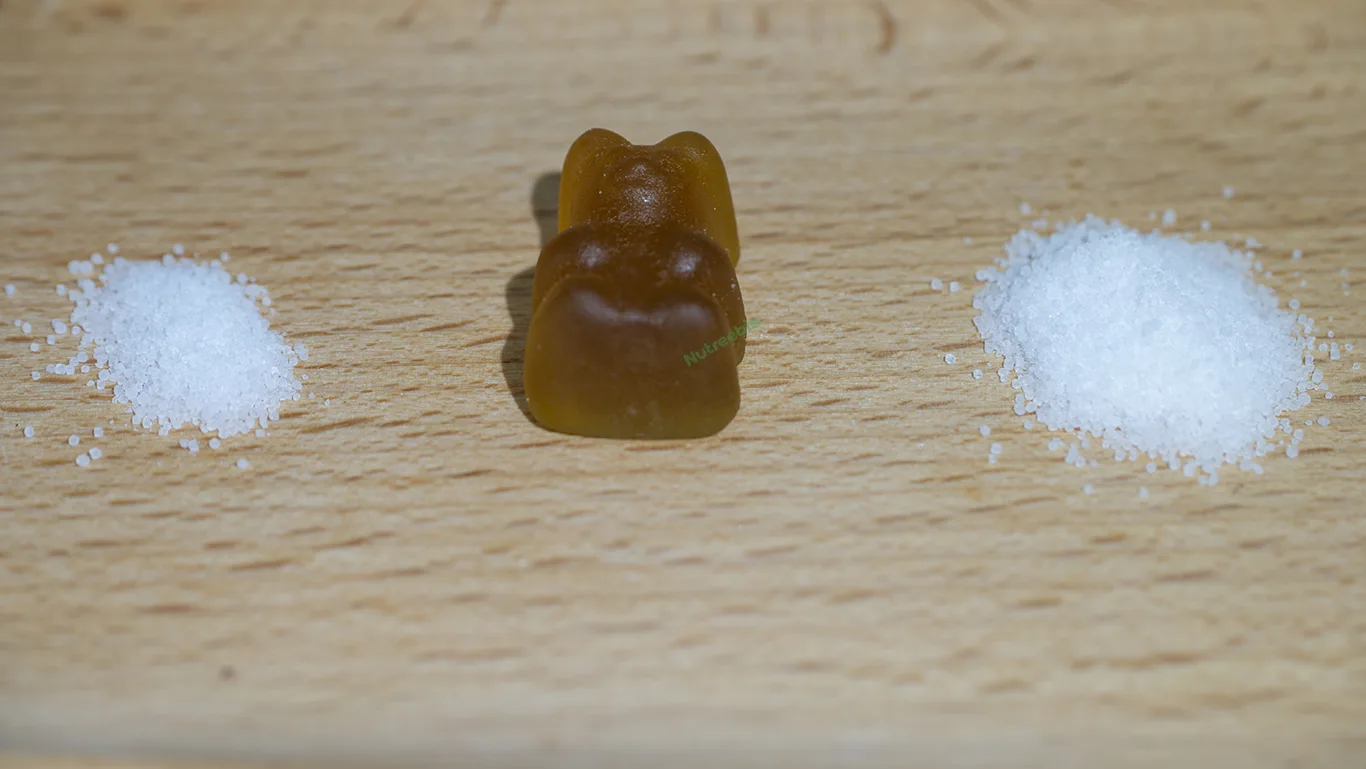
Sodium and potassium present a similar consideration. Depending on the selected compounds, the actual raw material weight required to provide the target electrolyte content can be substantially higher than the amount declared on the nutrition label.
The more space occupied by these ingredients, the less flexibility we have to adjust the gummy base, sweeteners, flavors, and other components that contribute to the finished product's texture.
4.2 Effects on Gummy Texture and Gel Structure
High mineral loading can also affect the gel structure of gummies. Conventional pectin-based formulations are sensitive to factors such as acidity, mineral interactions, and the balance of soluble solids.
Depending on the mineral source and concentration, adding magnesium and electrolyte salts may result in gummies with weaker gel structures, softer textures, increased stickiness, or a slightly grainy mouthfeel. These challenges become more complicated when the formula already contains several botanical ingredients with strong flavors and limited solubility.
At Nutreebio, we have developed blended gelling systems that allow us to manufacture gummies with higher mineral content. However, being able to add a high amount of magnesium does not necessarily mean it is the best choice for every multi-ingredient formulation.
For this DHM gummy project, the main challenge was already achieving a suitable balance between botanical ingredient content and taste. Adding a substantial mineral load would introduce further formulation complexity without being essential to the customer's main product positioning.
4.3 Keeping the Product Concept Focused
From a product development perspective, we also felt that the original ingredient list could be more focused. DHM and prickly pear extract were the customer's main ingredients, and we wanted to give these ingredients sufficient space within the formulation.
High-dose minerals and electrolytes can also be developed into separate hydration gummies or electrolyte supplements. This would allow the brand to establish a clearer ingredient focus for each product and give the manufacturer more flexibility to optimize their respective formulations.
Rather than trying to combine every potentially relevant ingredient into a single gummy, we recommended concentrating on the ingredients that were most important to this particular product concept. Removing magnesium and electrolytes would free up formulation space and reduce some of the additional texture and flavor challenges.
After discussing these considerations with the customer, they agreed with our recommendation to simplify the ingredient list.
5. How Natural Ingredient Colors Influence Gummy Flavor Selection
One of the more interesting parts of this project was the discussion about gummy color and flavor. The customer originally wanted a red watermelon-flavored gummy, which is a familiar and attractive flavor choice in the gummy supplement market.
However, unlike ordinary confectionery gummies, functional gummies often contain botanical extracts that have their own natural colors. These colors can significantly influence the appearance of the finished product, particularly when the active ingredients are used at relatively high concentrations.
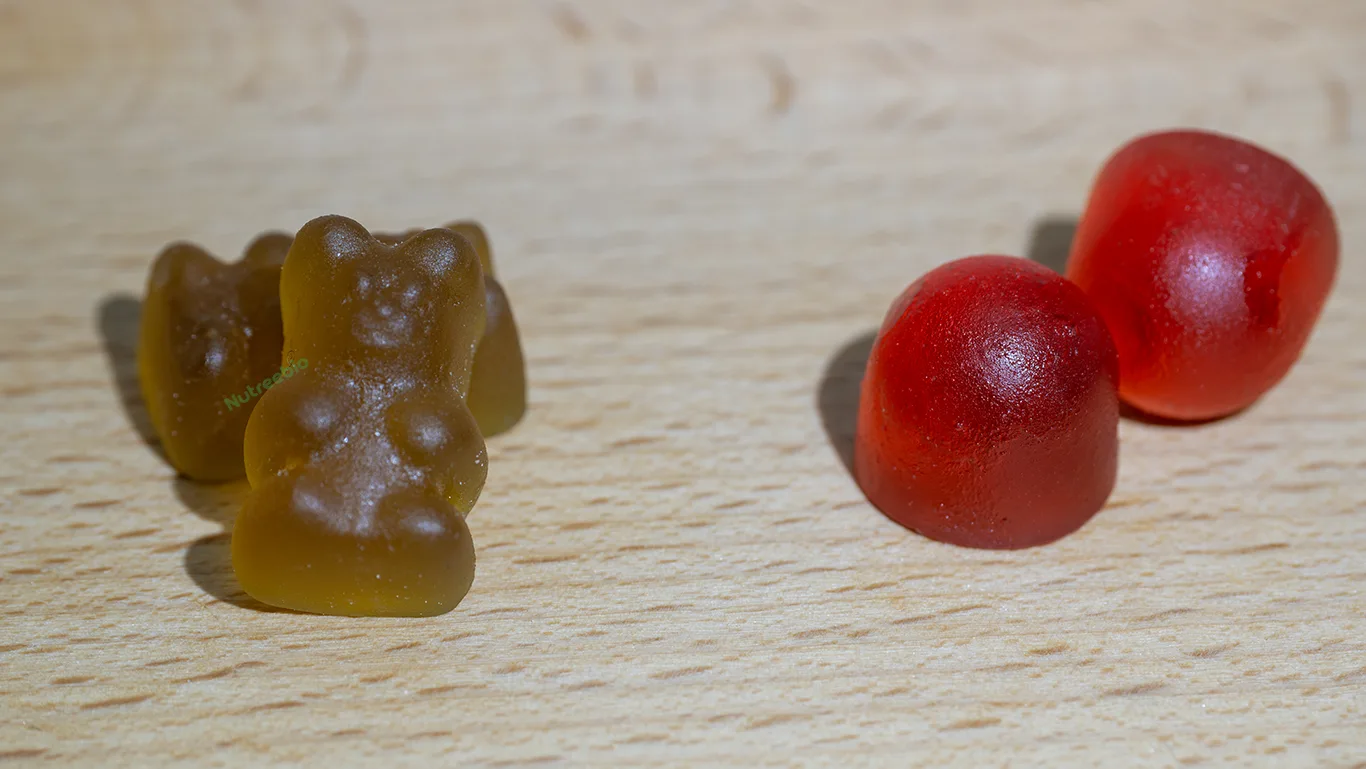
In this project, the ginger extract and other botanical ingredients gave the gummy mixture a naturally yellow-brown appearance during initial development. This made it difficult to achieve the bright, refreshing red color that consumers would normally associate with watermelon.
Adding more red coloring would not necessarily solve the problem. When red color is introduced into a yellow-brown base, the resulting appearance may become darker, duller, or less visually appealing. Achieving the intended watermelon appearance could require additional color adjustment without providing any real improvement to the product's formulation.
Choosing Pineapple or Tropical Mango Instead
Rather than trying to force the original watermelon concept into the formulation, we recommended pineapple or tropical mango as alternative flavor directions. Both are familiar fruit flavors in international gummy markets, and their associated yellow or golden colors are more compatible with the natural appearance of the botanical ingredients.
These flavors also give us different options when balancing the bitterness of DHM and the natural taste of ginger extract. The objective is to develop a coordinated fruit flavor and appearance rather than simply cover the ingredient taste with stronger flavoring.
| Design Factor | Original Concept | Recommended Concept |
|---|---|---|
| Flavor | Watermelon | Pineapple or Tropical Mango |
| Target Color | Red | Golden Yellow |
| Natural Gummy Base | Yellow-Brown | Yellow-Brown |
| Color Compatibility | More difficult to achieve | Naturally more compatible |
| Additional Color Adjustment | Potentially greater | Potentially less |
The customer was happy to accept this recommendation. Instead of spending additional development time trying to achieve a bright red appearance, we could work with the natural color of the ingredients and develop a more coordinated product.
This is something we frequently consider when developing gummies containing botanical extracts. Ingredients such as turmeric, ginger, mushrooms, and various herbal extracts can contribute noticeable colors and flavors to the gummy base. Selecting a compatible fruit flavor from the beginning can make the formulation process more straightforward.
A good gummy flavor is not just about taste. The color, aroma, appearance, and flavor should work together to create a consistent consumer experience.
6. Original vs. Optimized DHM Gummy Formulation
Following our discussions, the customer's original product concept remained largely unchanged, but several important formulation decisions were adjusted to improve its manufacturing feasibility.
We retained DHM as the main ingredient and worked around the customer's original target of up to 200 mg per serving. Instead of placing the entire ingredient load into two gummies, we proposed distributing it across four gummies. We also recommended removing the high-dose mineral and electrolyte ingredients and changing the flavor direction to better match the natural botanical color.
The main adjustments are summarized below:
| Development Factor | Original Concept | Optimized Direction |
|---|---|---|
| Serving Size | 2 gummies | 4 gummies |
| Target DHM per Serving | 200 mg | Up to 200 mg |
| DHM per Gummy | 100 mg | Up to 50 mg |
| Main Botanical Ingredients | DHM and Prickly Pear | Retained |
| Magnesium | 100 mg per serving | Removed |
| Sodium & Potassium Electrolytes | 150 mg combined | Removed |
| Flavor | Watermelon | Pineapple or Tropical Mango |
| Target Color | Red | Golden Yellow |
| Main Formulation Challenge | High active loading and bitterness | Improved formulation flexibility |
These adjustments were not made because the original product idea was unsuitable. Rather, they were intended to make that idea more compatible with the gummy dosage form while retaining its main commercial appeal.
At the time of writing, our laboratory is developing samples based on the revised direction. The next step will be to evaluate the actual taste, texture, appearance, and overall formulation performance before sending the samples to the customer for feedback.
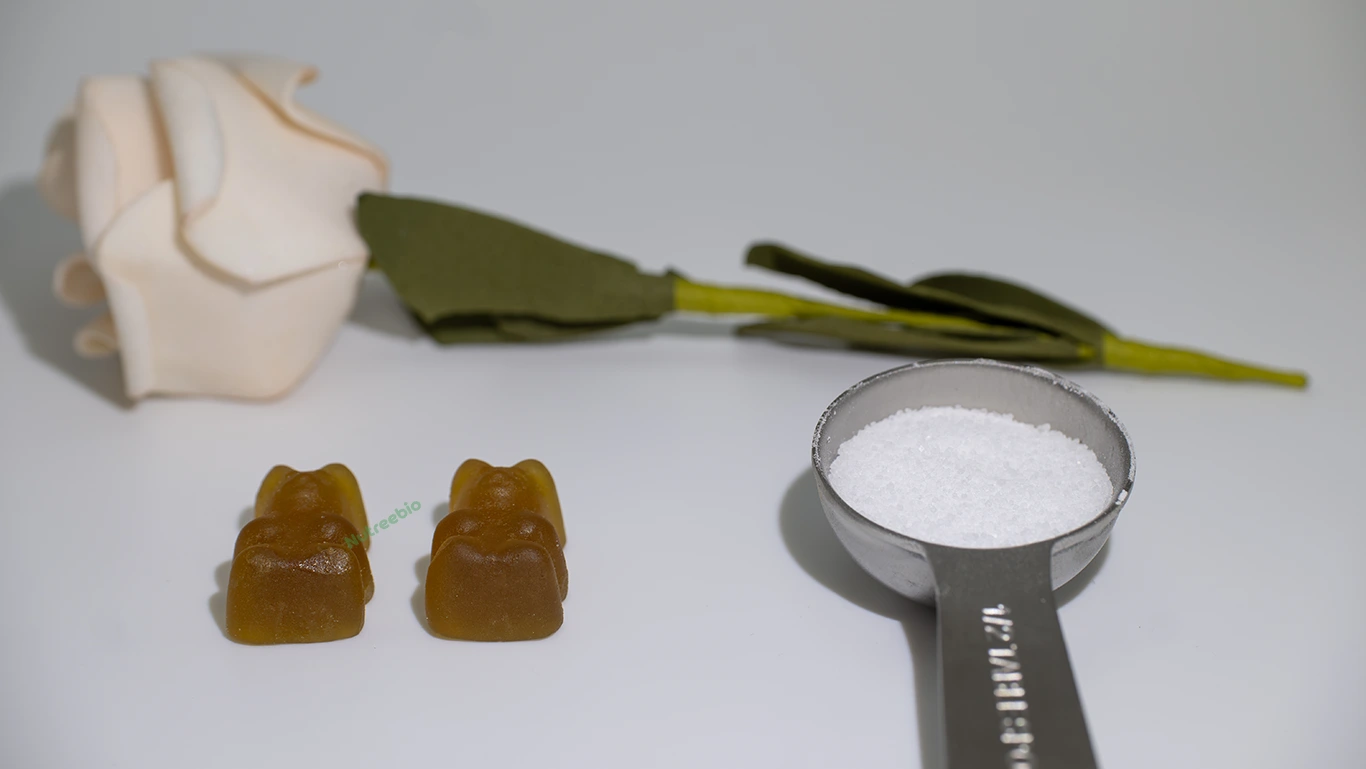
7. What Should Brands Consider When Developing Custom Gummies?
Although this case focuses on DHM gummies, the same development principles apply to many other functional gummy products. We regularly work with customers who want to combine several active ingredients into a convenient and attractive gummy format, and some of the most important decisions are made before sampling begins.
Define the core ingredients first. A product should have a clear ingredient focus. When several ingredients compete for limited formulation space, it is helpful to distinguish between essential ingredients and optional additions.
Keep the serving size flexible. Establishing the target content per serving is important, but the number and weight of gummies should also be open to discussion. A larger gummy or an additional piece per serving may provide a better solution than reducing the main ingredient content or compromising the product's taste.
Consider the natural characteristics of each ingredient. Botanical extracts can contribute bitterness, strong aromas, and natural colors, while mineral compounds can affect texture and gel formation. These characteristics should be considered when selecting the gummy base, flavor, and color, rather than addressed separately after sampling.
Evaluate the complete formulation, not just individual ingredients. An ingredient that works well in one gummy may behave differently when combined with several other actives. The total ingredient loading and interactions between components often determine whether the finished product is suitable for further development.
In our experience, discussing these factors with customers early in the project helps establish a more practical development direction and can reduce unnecessary rounds of sampling.
Final Thoughts: A Good Gummy Formula Must Work Beyond Paper
For supplement brands, developing a new product often begins with a market opportunity and an ingredient list. Turning that idea into a gummy, however, requires an understanding of raw material characteristics, taste, texture, ingredient loading, and manufacturing processes.
Our recent DHM gummy project illustrates how relatively simple adjustments can improve a product's formulation direction. By increasing the serving size, simplifying the ingredient list, and selecting a flavor that matches the natural color of the botanical extracts, we were able to retain the customer's main product concept while addressing several practical manufacturing challenges.
At Nutreebio, we believe that the value of a gummy manufacturer extends beyond producing a customer's requested formula. Through formulation evaluation, sampling, and ongoing communication, we work with brands to identify potential challenges and develop practical solutions that suit their product positioning.
A good formula is not necessarily the one with the longest ingredient list or the highest possible dosage. It is one that balances the intended ingredient content, consumer experience, and manufacturing feasibility.